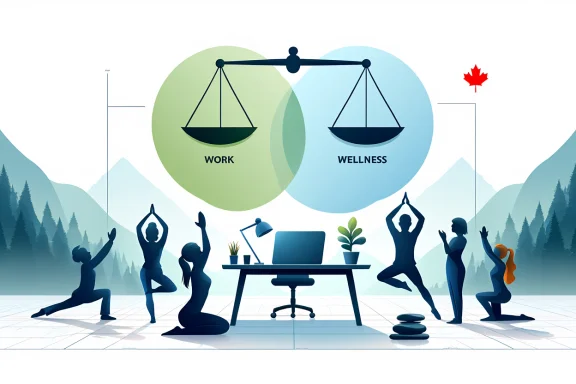
It’s 2 PM on a Wednesday in downtown Calgary, and instead of the usual post-lunch energy crash, employees at a major energy company are flowing through sun salutations in their boardroom. What might have seemed impossible just a decade ago is now becoming as common as coffee breaks across Canadian workplaces.
From tech startups in Kitchener-Waterloo to manufacturing plants in Windsor, Canadian businesses are discovering what ancient practices have always known: a calm, focused mind is a productive mind. The integration of yoga and mindfulness into corporate environments isn’t just about employee wellness anymore – it’s about sustainable performance, innovation, and competitive advantage.
With workplace stress costing the Canadian economy an estimated $20 billion annually according to the Mental Health Commission of Canada, smart business leaders are turning to evidence-based wellness practices that deliver measurable results. Let’s explore how yoga and mindfulness can transform your business performance while creating a healthier, more engaged workforce.
The Science Behind Wellness and Performance
Neurological Benefits of Mindfulness
Research from the University of Toronto and McGill University shows that regular mindfulness practice literally rewires the brain for better performance. Key changes include:
Increased Prefrontal Cortex Activity: Enhanced decision-making, planning, and emotional regulation Reduced Amygdala Reactivity: Lower stress response and better emotional control Improved Default Mode Network: Better focus and reduced mind-wandering Enhanced Neuroplasticity: Increased ability to learn and adapt to new situations
Physical Benefits of Workplace Yoga
The physical demands of modern work – from “tech neck” to lower back pain from prolonged sitting – are costing Canadian businesses millions in healthcare costs and lost productivity.
Musculoskeletal Improvements:
- Reduced chronic pain (particularly neck, shoulders, and lower back)
- Improved posture and spinal alignment
- Enhanced flexibility and range of motion
- Stronger core muscles for better stability
Cardiovascular Benefits:
- Lower blood pressure and resting heart rate
- Improved circulation and reduced inflammation
- Better sleep quality leading to enhanced recovery
Cognitive Performance Enhancements
Studies from Canadian universities demonstrate that regular yoga and mindfulness practice leads to:
- 23% improvement in focus and attention span
- 34% reduction in stress-related errors
- 19% increase in creative problem-solving abilities
- 28% better working memory performance
Business Benefits: The Bottom Line Impact
Productivity and Performance Metrics
Canadian companies implementing comprehensive wellness programs report significant improvements:
Shopify (Ottawa): After introducing mindfulness programs, they saw a 15% increase in employee productivity and 22% reduction in sick days.
Lululemon (Vancouver): As pioneers in workplace wellness, they maintain employee engagement scores 40% higher than industry average.
TD Bank (Toronto): Their corporate wellness programs contribute to 25% lower turnover rates compared to industry benchmarks.
Financial Returns on Wellness Investment
The Conference Board of Canada reports that companies with robust wellness programs see:
- $1.50 to $3.20 return for every dollar invested in wellness
- 25% reduction in healthcare costs
- 40% reduction in workers’ compensation claims
- 28% reduction in sick leave usage
Innovation and Creativity Benefits
Mindfulness practices enhance the cognitive flexibility needed for innovation:
- Improved divergent thinking (generating multiple solutions)
- Enhanced convergent thinking (focusing on best solutions)
- Better collaboration and team dynamics
- Increased risk tolerance for creative ventures
Creating Corporate Wellness Programs
Assessment and Planning Phase
Before implementing any wellness program, conduct a comprehensive workplace assessment:
Employee Surveys: Anonymous feedback on current stress levels, health concerns, and interest in wellness programs Workplace Ergonomics Review: Identify physical stressors in the work environment Current Health Metrics: Baseline measurements for stress, absenteeism, and healthcare utilization Leadership Commitment: Ensure executive buy-in and visible participation
Program Design Considerations
Space Requirements
Dedicated Wellness Room: Ideal but not essential – convertible spaces work too Outdoor Spaces: Canadian companies leverage beautiful natural settings when weather permits Virtual Options: Particularly important for remote work and harsh winter months
Scheduling Strategies
Morning Sessions: Energizing yoga flows to start the day (7:30-8:30 AM) Lunch Hour Classes: 30-45 minute sessions during lunch breaks Afternoon Recharge: 15-minute mindfulness sessions during the 3 PM energy dip End-of-Day Wind-Down: Restorative practices to transition from work to personal time
Seasonal Adaptations
Winter Wellness: Focus on mood-boosting practices, vitamin D awareness, and indoor activities during long Canadian winters Summer Programs: Outdoor yoga sessions, walking meetings, and nature-based mindfulness Seasonal Affective Disorder Support: Specialized programs for the 2-3% of Canadians affected by SAD
Implementation Strategies
Pilot Program Approach
Start small with interested volunteers:
- Week 1-4: Introduction to basic mindfulness techniques
- Week 5-8: Beginner yoga sequences and breathing exercises
- Week 9-12: Integration of practices into daily work routines
- Month 4: Evaluation and program refinement
Progressive Rollout
Phase 1: Department-by-department implementation Phase 2: Cross-functional teams and leadership involvement Phase 3: Company-wide integration and advanced programs
Digital Integration
Apps and Platforms: Partnerships with Canadian wellness apps like Mindfulness Everywhere or Calm Virtual Reality: Immersive meditation experiences for remote workers Wearable Technology: Integration with fitness trackers for holistic wellness monitoring
Practical Workplace Applications
Desk Yoga Sequences
Simple movements that can be done in office attire without leaving the workstation:
Neck and Shoulder Release:
- Gentle neck rolls and shoulder shrugs
- Eagle arms for shoulder blade mobility
- Seated spinal twists for back relief
Hip and Leg Stretches:
- Seated figure-four for hip flexibility
- Calf raises and ankle rolls for circulation
- Seated forward fold for hamstring relief
Energizing Movements:
- Seated cat-cow for spinal mobility
- Desk push-ups for upper body activation
- Standing backbends for posture correction
Mindfulness Micro-Practices
Short practices that fit into busy work schedules:
3-Minute Breathing Space: Brief meditation between meetings Mindful Email: Conscious breathing before reading/sending emails Walking Meditation: Mindful movement between offices or floors Gratitude Practice: Daily appreciation exercises for team building
Stress Response Techniques
Tools for managing acute workplace stress:
Box Breathing: 4-4-4-4 breathing pattern for immediate calm Progressive Muscle Relaxation: Quick body scan for tension release Grounding Techniques: 5-4-3-2-1 sensory awareness practice Mindful Communication: Pause-and-breathe before difficult conversations
Overcoming Implementation Challenges
Cultural Resistance
Address Skepticism: Share scientific research and business case studies Lead by Example: Ensure leadership participation and visible support Start Small: Voluntary programs reduce resistance and build momentum Cultural Sensitivity: Respect diverse religious and cultural backgrounds
Time and Scheduling Constraints
Flexible Options: Multiple time slots and format options Micro-Sessions: 5-10 minute practices that fit any schedule Integration Approach: Build wellness into existing meetings and processes Remote Accessibility: Online options for distributed teams
Budget Considerations
Cost-Effective Solutions: Many practices require minimal equipment Instructor Training: Invest in training internal facilitators Shared Resources: Partner with other local businesses for instructor costs Government Incentives: Research provincial and federal wellness tax benefits
Space and Facility Limitations
Multi-Purpose Spaces: Use conference rooms, cafeterias, or outdoor areas Desk-Based Programs: Focus on practices that don’t require floor space Off-Site Partnerships: Collaborate with local yoga studios or community centers Virtual Programs: Leverage technology for space-independent practices
Measuring Success and ROI
Quantitative Metrics
Health and Wellness:
- Reduced sick days and healthcare costs
- Lower workers’ compensation claims
- Improved biometric screening results
- Better sleep quality scores
Performance Indicators:
- Productivity measurements
- Error rates and quality metrics
- Innovation and creative output
- Customer satisfaction scores
Employee Engagement:
- Retention rates and turnover costs
- Job satisfaction surveys
- Engagement scores and participation rates
- Internal promotion and development rates
Qualitative Assessments
Regular Surveys: Anonymous feedback on program effectiveness and suggestions Focus Groups: Detailed discussions with participants about benefits and challenges
Manager Observations: Leadership feedback on team dynamics and performance changes Case Studies: Document individual success stories and transformations
Canadian Benchmarking
Compare your results to national standards:
Statistics Canada Health Data: Benchmark against national wellness indicators Conference Board of Canada Reports: Industry-specific wellness benchmarks Best Employers Lists: Compare with Canada’s Top 100 Employers wellness programs Provincial Health Initiatives: Align with regional workplace health standards
Advanced Program Features
Leadership Development Integration
Mindful Leadership Training: Executive programs combining business skills with mindfulness Emotional Intelligence Development: Use contemplative practices to enhance EQ Decision-Making Enhancement: Mindfulness techniques for better business judgment Stress Management for Leaders: Specialized programs for high-pressure roles
Team Building Applications
Group Yoga Sessions: Build camaraderie through shared physical practice Mindful Communication Workshops: Improve team dynamics and collaboration Retreat Programs: Off-site intensive wellness and team building experiences Cross-Department Wellness Challenges: Foster inter-departmental collaboration
Specialized Programs
New Employee Orientation: Introduce wellness practices from day one High-Stress Period Support: Intensive programs during busy seasons or organizational changes Remote Worker Wellness: Specialized programs for distributed teams Executive Wellness: Premium programs for C-suite and senior leadership
Technology and Innovation in Workplace Wellness
Digital Wellness Platforms
Comprehensive Apps: Platforms offering guided meditations, yoga videos, and progress tracking AI-Powered Coaching: Personalized wellness recommendations based on stress patterns Biometric Integration: Connect with wearable devices for holistic health monitoring Social Features: Team challenges and community support within the app
Virtual and Augmented Reality
Immersive Meditation: VR environments for deep relaxation and stress relief Virtual Yoga Instruction: AR overlays for proper pose alignment and correction Stress Visualization: Real-time biofeedback displayed through VR for meditation training Remote Presence: Virtual participation in group sessions from any location
Data Analytics and Insights
Stress Pattern Recognition: Analyze workplace stress triggers and timing Participation Tracking: Monitor engagement and identify program optimization opportunities Health Correlation Analysis: Connect wellness participation with health outcomes Predictive Modeling: Forecast wellness needs and prevent burnout before it occurs
Building a Sustainable Wellness Culture
Long-Term Integration Strategies
Policy Development: Embed wellness into company policies and procedures Physical Environment: Design workspaces that promote movement and mindfulness Communication Integration: Include wellness messaging in all company communications Performance Reviews: Include wellness goals and achievements in evaluations
Continuous Improvement
Regular Program Reviews: Quarterly assessments and adjustments Employee Feedback Loops: Ongoing input and program refinement Industry Best Practices: Stay current with wellness research and innovations Expansion Opportunities: Gradually add new programs and features
Creating Wellness Champions
Employee Ambassadors: Train enthusiastic participants to support and encourage others Peer Support Networks: Facilitate connections between wellness program participants Recognition Programs: Celebrate wellness achievements and milestones Leadership Development: Grow internal capacity for program leadership and expansion
Conclusion
The integration of yoga and mindfulness into Canadian business environments represents more than just a wellness trend – it’s a strategic approach to building resilient, high-performing organizations. As we face increasing workplace complexity, technological disruption, and global competition, the companies that prioritize employee wellbeing will have a distinct advantage.
From reducing healthcare costs and absenteeism to fostering innovation and creativity, the business case for workplace wellness is clear and compelling. The key is starting with small, manageable programs that demonstrate value and building from there.
Canadian businesses have a unique opportunity to lead globally in workplace wellness, drawing on our cultural values of health, inclusivity, and work-life balance. Whether you’re a startup in Halifax or a multinational corporation in Toronto, integrating mindfulness and yoga into your workplace culture isn’t just good for your employees – it’s good for your bottom line.
The question isn’t whether you can afford to invest in workplace wellness – it’s whether you can afford not to. In an increasingly competitive marketplace, the companies that understand the connection between employee wellbeing and business performance will be the ones that thrive.
Ready to transform your workplace culture and boost business performance through wellness? Connect with EmpowerHER Collective’s network of wellness professionals and business leaders who are successfully integrating mindfulness and yoga into their organizations. Because when your employees feel their best, your business performs its best.